Tag: ojodu

  • Eye Clinic Home

    Eye Clinic Home

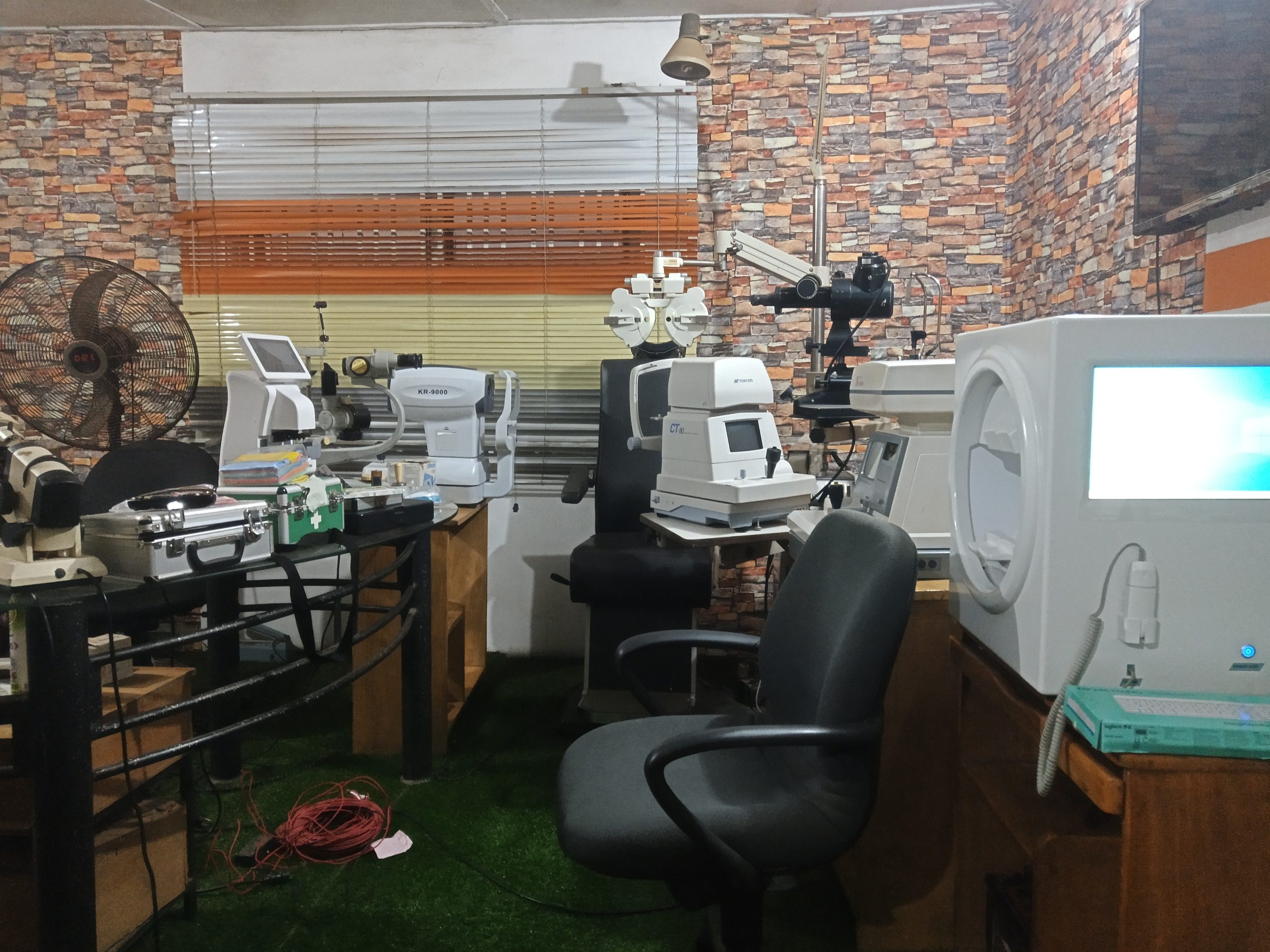
    Eyeupdate Clinic & Optical Services Ltd – Trusted Eye Care in Ajuwon, Ifo, Ogun State (near Alagbole, Akute, Ojodu Berger, Iju Ishaga, Fagba, Obawole, Ogba, Ikeja, Agege, Iyana Ipaja, Kola, Command, Abulegba, Sango, Ota, Matogun, Lambe, Koye Oke, Osere, Mowe Ibafo, Ojota, Elliot bus stop, Lagos.

    Welcome to Eyeupdate Eye Clinic & Optical Services – Your Premier Eye Care Center in Ajuwon, Ogun State & Lagos State.

    Are you searching for professional, affordable eye care services in Ajuwon, Ifo, Ogun State? Look no further! At Eyeupdate Eye Clinic, we are committed to helping you see clearly and live better through comprehensive eye examinations, advanced treatments, and personalized eye care solutions.

    Expert Eye Care Services in Ajuwon, Ogun State

    Our experienced team of ophthalmologists, Opticians and optometrists provides a wide range of eye health services, including:

    Comprehensive Eye Examinations in Ajuwon and Ifo
    Cataract Diagnosis & Treatment in Ogun State
    Glaucoma Screening & Management
    Eyeglasses & Contact Lenses Fitting
    Pediatric Eye Care Services for children in Ogun State
    Emergency Eye Care & Eye Injury Treatment
    Treatment for Eye Infections & Other Conditions

    Why Choose Eyeupdate Clinic & Optical Services?

    Trusted Eye Care Provider in Ajuwon, Ifo, Ogun State
    State-of-the-Art Diagnostic Equipment for accurate eye health assessment
    Affordable Eye Care Services tailored to your needs
    Friendly, Caring Staff dedicated to your comfort and well-being
    Convenient Location in Ajuwon with flexible appointment scheduling
    Community-Focused Eye Health Solutions in Ogun State

    Book Your Eye Examination Today

    Your vision is invaluable. Schedule an appointment with our professional eye care team in Ajuwon, Ifo, Ogun State. Call us at 08034971582 or use our online booking form to secure your visit. We are here to help you see the world more clearly!

    Visit Us at Eyeupdate Clinic for your vision needs

    Address: 1, Ajuwon bus stop beside M. R. S. Petrol station, Ajuwon, Ifo, Ogun State
    Hours: Monday – Saturday, 8:00 AM – 9:00 PM
    Phone: 08068084591, 08034971582
    Email: info@eyeupdate.com.ng

    Stay Updated on Eye Health Tips & Special Offers

    Follow us on social media for the latest updates, eye health tips, and exclusive offers tailored for our community in Ogun State.

    [Insert social media icons/links]

    Your Eyes Deserve Expert Care — Visit Eyeupdate Clinic in Ajuwon, Ifo, Ogun State Today!

  • Astigmatism

    Astigmatism is a common vision condition that causes blurred vision. It occurs when the cornea (the clear front cover of the eye) is irregularly shaped or sometimes because of the curvature of the lens inside the eye.

    An irregularly shaped cornea or lens prevents light from focusing properly on the retina, the light-sensitive surface at the back of the eye. As a result, vision becomes blurred at any distance. This can lead to eye discomfort and headaches.

    Astigmatism frequently occurs with other vision conditions like myopia (nearsightedness) and hyperopia (farsightedness). Together these vision conditions are referred to as refractive errors because they affect how the eyes bend or “refract” light.

    There are many causes to astigmatism. It can be hereditary and is usually present from birth. It can decrease or increase over time.

    comprehensive optometric examination will include testing for astigmatism. If necessary, your optometrist can provide eyeglasses or contact lenses that correct the astigmatism by altering the way light enters the eyes.

    Another option for treating astigmatism is a corneal procedure called orthokeratology (ortho-k). In this painless, noninvasive procedure, the patient wears a series of specially designed rigid contact lenses to gradually reshape the curvature of the cornea.

    Laser surgery can also treat some types of astigmatism. The laser changes the shape of the cornea by removing a small amount of eye tissue.

    Astigmatism

    [back to top]

    What causes astigmatism?

    Possible view through an astigmatic eye -- Image courtesy of Eyemaginations™

    The curvature of the cornea and lens bends the light entering the eye in order to focus it precisely on the retina at the back of the eye. In astigmatism, the surface of the cornea or lens has a somewhat different curvature.

    the surface of the cornea is shaped more like a football instead of round like a basketball, the eye is unable to focus light rays to a single point. Vision becomes out of focus at any distance.

    In addition, the curvature of the lens inside the eye can change, resulting in an increase or decrease in astigmatism. This change frequently occurs in adulthood and can precede the development of naturally occurring cataracts.

    Sometimes astigmatism may develop following an eye injury or eye surgery.

    Astigmatism also occurs due to a relatively rare condition called keratoconus in which the cornea becomes progressively thinner and cone-shaped. This results in a large amount of astigmatism, which causes poor vision that cannot be clearly corrected with eyeglasses. People with keratoconus usually need contact lenses for clear vision and eventually may need a corneal transplant.

    An optometrist can diagnose an astigmatism through a comprehensive eye examination. Testing for astigmatism measures how the eyes focus light and determines the power of any optical lenses needed to improve vision. This examination may include:

    • Visual acuity-When you read letters on a distance chart, you are measuring your visual acuity. Visual acuity is given as a fraction (for example, 20/40). The top number is the standardized testing distance (20 feet) and the bottom number is the smallest letter size read. A person with 20/40 visual acuity would have to get within 20 feet to read a letter that should be seen clearly at 40 feet. Normal distance visual acuity is 20/20.
    • Keratometry/Topography-A keratometer is the primary instrument used to measure the curvature of the cornea. By focusing a circle of light on the cornea and measuring its reflection, it is possible to determine the exact curvature of that area of the cornea’s surface. This measurement is particularly critical in determining the proper fit for contact lenses. A corneal topographer, which is gaining use, generates a contour map of the cornea and provides even more detail of the cornea’s shape.
    • Refraction-Using an instrument called a phoropter, your optometrist places a series of lenses in front of your eyes and measures how they focus light. This is performed using a handheld lighted instrument called a retinoscope or an automated instrument that evaluates the approximate focusing power of the eye. Based on your responses, the power is then refined to determine the lenses that allow the clearest vision. Despite improved technology, patient input remains integral in determining vision needs.

    With the information from these tests, your optometrist can determine if you have astigmatism. Your optometrist will use these findings, combined with those of other tests performed, to determine the power of any lens correction you need to provide clear, comfortable vision. Once testing is complete, your optometrist can discuss treatment options.

    [back to top]

    How is astigmatism treated?

    Eyeglasses are the primary choice for persons with astigmatism.

    People with astigmatism have several options to regain clear vision. They include:

    • Eyeglasses. People with astigmatism primarily choose eyeglasses to improve their vision. The eyeglasses contain a special cylindrical lens prescription that compensates for the astigmatism. This provides additional power in specific parts of the lens.

      Generally, a single-vision lens is prescribed to provide clear vision at all distances. However, patients over age 40 who have presbyopia may need a bifocal or progressive addition lens.

    • Contact lenses. Some people will have better vision with contact lenses rather than eyeglasses. Contact lenses may provide clearer vision and a wider field of view. However, since contact lenses are worn directly on the eyes, they require regular cleaning and care to safeguard eye health.

      Standard soft lenses may not be effective in correcting astigmatism. However, special toric soft contact lenses can correct for many types of astigmatism. Because rigid gas-permeable contact lenses maintain their regular shape while on the cornea, they can compensate for the cornea’s irregular shape and improve vision for people with astigmatism.

    • Orthokeratology. Orthokeratology (ortho-k) involves the fitting of a series of rigid contact lenses to reshape the cornea. The patient wears contact lenses for limited periods, such as overnight, and then removes them. People with moderate astigmatism may be able to temporarily obtain clear vision without lenses for most of their daily activities. Orthokeratology does not permanently improve vision. If patients stop wearing the retainer lenses, their vision may return to its original condition.
    • Laser and other refractive surgery procedures. Astigmatism can also be corrected by reshaping the cornea through LASIK (laser in situ keratomileusis) or PRK (photorefractive keratectomy). PRK removes tissue from the superficial and inner layers of the cornea. LASIK removes tissue only from the inner layer of the cornea.

    If you have an astigmatism, you have a wide range of options to correct your vision problem. In consultation with your optometrist, you can select the treatment that best meets your visual and lifestyle needs

  • BILATERAL RETINITIS FOLLOWING TYPHOID FEVER

    Abstract

    Background

    Post typhoid fever immune related reactions affecting the eye is a rare finding which can have various presentations in which typhoid retinopathy is not a well recognized sequelae.

    Case presentation

    Here we present a case of 59 year old male who presented with right eye sudden painless loss of vision 4 weeks after typhoid fever which was diagnosed and treated successfully. His BCVA was 2/60 in right eye and 6/6 in left eye. Fundus examination showed retinitis along with macular serous detachment in right eye and retinitis in left eye. Significant improvement in BCVA in right eye was observed after treatment with oral steroid with resolving retinitis lesions. Diagnosis of post typhoid immune mediated retinitis was made with good resolution following treatment.

    Conclusions

    Immune mediated retinitis is a rare sequelae to typhoid infection which can be successfully treated with systemic steroids with good resolution of the lesions.

    Keywords: Post typhoid fever, Immune mediated, Typhoid retinopathy, Retinitis

    Background

    Typhoid or enteric fever is a systemic disease which is characterized by fever and abdominal pain caused due to dissemination of Salmonella typhi or paratyphi. It is transmitted by food or water due to fecal contamination by ill or asymptomatic chronic carriers. A high incidence of typhoid fever in developing countries correlates with poor sanitation and lack of access to clean drinking water []. Ocular manifestations of typhoid fever are rare and include lid edema or abscess, dacryoadenitis, conjunctival petechiae or chemosis, corneal ulceration, uveitis, vitreous haemorrhage, retinal haemorrhage and detachment, stellate maculopathy, pigmentary retinopathy, optic neuritis, internal or external ophthalmoplegia, orbital haemorrhage or abscess. These complications are caused either by direct invasion of the organisms into the ocular tissue, or by hypersensitivity reaction such as vitreous haemorrhage after typhoid vaccination []. Here we are presenting a case of retinitis with macular serous detachment developing post typhoid fever.

    Case report

    A 59 year old male presented to our hospital 1 week after experiencing diminution of vision in the right eye. He gave a history of typhoid fever 4 weeks prior to presentation for which Widal test was performed to confirm diagnosis. The test results showed significant titres for ‘O’ antigen (>1:80) and ‘H’ antigen (>1:160) and negative for ‘AH’ and ‘BH’ antigens. He was subsequently started on oral Ofloxacin 400 mg twice daily for 2 weeks following which fever subsided. There was no known history of diabetes mellitus or hypertension. On ocular examination his best corrected visual acuity was 2/60 in the right eye and 6/6 in left eye. Anterior segment findings were unremarkable with IOP being within normal range for both eyes. Fundus examination of right eye showed white fluffy lesions along the superior and inferior arcades with superficial haemorrhages in around the macula with a macular star suggestive of retinitis (Fig. 1a). Left eye fundus showed few dispersed retinitis lesions with superficial haemorrhage along the superior arcade with intact foveal reflex (Fig. 1b). On optical coherence tomography of right eye underlying macular serous retinal detachment was noted (Fig. 2a). Blood tests were done to rule out VDRL and HIV status. X-cyton analysis of the anterior chamber aspirate was negative for organisms like Mycobacterial Tuberculosis, Toxoplasma Gondii, Hepes Simplex Virus, Cytomegalovirus and Varicella Zoster Virus. After analysis of the reports diagnosis of post typhoid retinitis in both eyes was made. Patient was started on oral prednisolone 1 mg/kg body weight which was tapered over 2 months along with monitoring of systemic and ocular health. Patient came for follow up every 2 weeks for 3 months. Every visit fundus photo was documented. After 2 months of initiating treatment there was an improvement in the BCVA in right eye to 6/6 which was maintained on further visits. Fundus examination revealed resolving lesions in both eyes (Fig. 3a, b) and OCT of the right eye showed resolution of the serous detachment (Fig. 2b).

    An external file that holds a picture, illustration, etc. Object name is 40942_2017_65_Fig1_HTML.jpg

    a Fundus photo of right eye with white fluffy lesions suggestive of retinitis in the superior and inferior temporal arcades with macular star. b Fundus photo of left eye with white fluffy retinitis lesions in the superior temporal arcade

    An external file that holds a picture, illustration, etc. Object name is 40942_2017_65_Fig2_HTML.jpg

    a Pre treatment OCT of right eye suggestive of macular edema. b A normal OCT photo of right eye post treatment

    An external file that holds a picture, illustration, etc. Object name is 40942_2017_65_Fig3_HTML.jpg

    a Post treatment fundus photo of right eye showing resolved retinitis lesions with few dispersed hard exudates. b Post treatment fundus photo of left eye with resolved retinitis lesions

    Retinitis is characterized by confluent areas of retinal whitening which progresses along the retinal blood vessels, often associated with intraretinal hemorrhages and hard exudates. A significant number of retinitis cases are thought to be idiopathic in etiology but a small proportion of cases are infectious in etiology such as Toxoplasma gondii (toxoplasmosis), Leptospira spp. (leptospirosis), Mycobacterium tuberculosis (tuberculosis) and other viral and fungal etiologies []. Non infectious causes of retinitis include sarcoidosis, Behcet’s disease. Infectious causes are usually unilateral and may be associated with mild vitritis. Patients can present with Neuroretinitis like picture with optic disc edema and macular hard exudates []. The macular star becomes prominent over first 3 weeks with neuroretinitis resolving over 6–8 weeks []. Leakage from the optic nerve head can lead to retinal swelling, exudation and edema, whereas retinal venous occlusion due to vasculitis results in intraretinal haemorrhage, cotton wool spots and retinal and optic nerve head edema []. It was postulated that microbial pathogens may be responsible for immune mediated ocular and systemic pathology through postinfectious immunological effects. These may be due to molecular mimicry eliciting an immune response that cross react with self antigens. Even though active infection is an unusual cause of retinal vasculitis, it is possible that many idiopathic and systemic disease associated cases are precipitated by previous encounters with microbes bearing DNA sequence homologous to retinal and vascular autoantigens. Similarity between S-antigen and peptides derived from yeast, E. coli, and Hepatitis B virus was found and there was an ability of these microbial peptides to elicit an immune response post infection []. Immune mediated retinitis is a clinical diagnosis most often when there is past history of infection few weeks or days prior to the onset of ocular manifestations. In this case, treatment with oral steroids was initiated due to inflammation of the retina, especially the macula which caused decrease in vision. By taking into consideration the time of onset of ocular presentation, previous history of typhoid fever and the response to oral steroids; the most likely diagnosis was post typhoid fever immune mediated retinitis with macular neurosensory detachment in the right eye and retinitis in left eye. In our case as the disc edema was not prominent, neuroretinitis was not considered as the diagnosis. Similar case reports by Relhan et al. [] and Laul et al. [] showed immune mediated response post typhoid fever presenting with neuroretinitis, vasculitis and macular detachment. Successful treatment with steroids was seen in them. Fusco et al. [] reported a case of bilateral chorioretinitis and stellate maculopathy post typhoid fever. However, in our case Xcyton analysis was done to rule out possible infectious retinitis before initiating steroid therapy, as it could exacerbate non immune mediated retinitis. Xcyton multiplex PCR analysis even though has the advantage of increasing the diagnostic yield it has certain disadvantages like false positive and negative results due to cross reactivity and preferential amplification, negative internal control if there is high amount of a particular target causing exhaustion of reagents and high cost.

    Conclusion

    Immune mediated retinitis can occur following systemic infection and can be managed with steroids followed by good resolution of the lesions. PCR analysis of the aqueous is a rapid diagnostic tool wherein multiple organisms can be detected and sight threatening bacterial and viral infections can be ruled out before initiation of steroid therapy.

    Authors’ contributions

    PM carried out AC tap for Xcyton analysis, did the manuscript editing and review, TT did the data acquisition, literature search and manuscript preparation, GG did the data acquisition and analysis and manuscript review, SA did the data acquisition and analysis. All authors read and approved the final manuscript.

    Acknowledgements

    None.

    Competing interests

    The authors declare that they have no competing interests.

    Contributor Information

    M. Prabhushanker, moc.liamg@reknahsuhbarprd.

    Tasneem T. Topiwalla, moc.liamg@spotsat.

    Geetha Ganesan, moc.liamg@nasenageeg.

    Sripal Appandaraj, moc.liamg@rd.lapirs.

    References

    1. Pegeus DA, Miller SI. Salmonellosis. In: Fauci AS, Braunwald E, Isselbacher KJ, Wilson JD, Martin JB, Kasper DL, editors. Harrison’s principles of internal medicine. 18. New York: McGraw Hill; 2012. pp. 1274–1285. []
    2. Curtis TH, Whealer DT. Infectious diseases. In: Roy FH, Fraunfelder FW, Fraunfelder FT, editors. Current ocular therapy. 6. London: Elsevier Saunders; 2008. pp. 92–94. []
    3. Jacobs DA, Guercio JR, Balcer LJ. Inflammatory optic neuropathies and neuroretinitis. In: Yanoff M, Duker JS, editors. Ophthalmology. 4. London: Elsevier Saunders; 2014. pp. 879–883. []
    4. Houghton OM, Brown GC, Brown MM. Coexistent optic nerve and macular abnormalities. In: Yanoff M, Duker JS, editors. Ophthalmology. 4. London: Elsevier Saunders; 2014. pp. 632–637. []
    5. Hughes EH, Dick AD. The pathology and pathogenesis of retinal vasculitis. Neuropathol Appl Neurobiol. 2003;29:325–340. doi: 10.1046/j.1365-2990.2003.00499.x. [PubMed] [CrossRef[]
    6. Relhan N, Pathengay A, Albini T, Priya K, Jalali S, Flynn HW, et al. A case of vasculitis, retinitis and macular neurosensory detachment presenting post typhoid fever. J Ophthalmic Inflamm Infect. 2014;4:23. doi: 10.1186/s12348-014-0023-y. [PMC free article] [PubMed] [CrossRef[]
    7. Laul R, Atif Ali MIR, Shafi S. Typhoid aftermath: presenting as vasculitis, neuroretinitis and macular neurosensory detachment. Int J Med Res Health Sci. 2015;4:737–739. doi: 10.5958/2319-5886.2015.00143.5. [CrossRef[]
    8. Fusco R, Magli A, Guacci P. Stellate maculopathy due to Salmonella typhiOphthalmologica. 1986;192:154–158. doi: 10.1159/000309629. [PubMed] [CrossRef[
  • EYE EXAM CAN BE USED TO DIAGNOSE CEREBRAL MALARIA

    Cerebral malaria can be diagnosed by a simple eye examination, a method that is both quick and cheap and could save thousands of lives in malarial regions, a new study shows.

    Diagnosing cerebral malaria — a severe complication of malaria in which the Plasmodium falciparum parasite infects capillaries that flow through the tissues of the brain — can be difficult, as patients can be unconscious and have a number of other illnesses.

    Now researchers have found that certain changes on the retina, the light sensitive tissue at the back of the eye, are unique to severe forms of malaria.

    This will enable doctors to determine whether a child is suffering from cerebral malaria or some other, unrelated illness, and prescribe immediate treatment accordingly.

    The findings are published this week (6 November) in the American Journal of Tropical Medicine and Hygiene.

    The team led by Nick Beare of the UK-based Royal Liverpool University Hospital analysed the retinas of 45 children admitted to hospital in Blantyre, Malawi with cerebral malaria.

    They found that white opaque patches and whitened blood vessels on the retina were unique signs of cerebral malaria. Other signs include bleeding of the retina and swelling of the optic nerve.

    The diagnosis only requires an instrument called an ophthalmoscope, which is commonly used in Africa for studying eye disease.

    “Diagnosis requires special training in eye examination, but is relatively straightforward and cost effective, which is essential in resource-poor settings such as Africa,” says Beare.

    His team suggests that the malaria parasites stick to the linings of the small blood vessels in the brain and eyes where they disrupt oxygen and nutrients supply, causing the unique whitening of blood vessels in the eye.

    Richard Idro of the Kenya Medical Research Institute says that the specific nature of the changes in the eye makes them useful for differentiating between coma due to malaria and coma from other causes.

    A multi-centre evaluation of the findings will be undertaken by researchers in Gabon, the Gambia, Ghana and Kenya. “If they prove useful, doctors will need to be trained in the recognition of these signs,” says Idro.

    Willis Akhwale, head of the department of malaria control at Kenya’s Ministry of Heath, welcomed the study, but cautioned that it is vital to test the methodology to ensure that correct diagnosis is made so that malaria drugs are not prescribed for other illnesses.


  • Do you smoke more than 20 cigarettes in a day? It may damage your vision

    1. Smoking more than 20
      cigarettes a day may damage your vision by affecting blood vessels and neurons in the retina, a study warns.
      The study, published in the journal Psychiatry Research, included 71 healthy people who smoked fewer than 15 cigarettes in their lives and 63 who smoked more than 20 cigarettes a day, were diagnosed with tobacco addiction and reported no attempts to stop.
      The participants were between the ages of 25 and 45 and had normal or corrected-to-normal vision as measured by standard visual acuity charts, said researchers from the Rutgers University in the US.

    They looked at how participants discriminated contrast levels (subtle differences in shading) and colours while seated 59 inches from a 19-inch cathode-ray tube monitor that displayed stimuli while researchers monitored both eyes simultaneously.

    The findings indicated significant changes in the smokers’ red-green and blue-yellow colour vision, which suggests that consuming substances with neurotoxic chemicals, such as those in cigarettes, may cause overall colour vision loss.
    They also found that the heavy smokers had a reduced ability to discriminate contrasts and colours when compared to the non-smokers.
    “Cigarette smoke consists of numerous compounds that are harmful to health,” said Steven Silverstein, director of research at Rutgers University Behavioral Health Care.
    “it has been linked to a reduction in the thickness of layers in the brain, and to brain lesions, involving areas such as the frontal lobe, which plays a role in voluntary movement and control of thinking, and a decrease in activity in the area of the brain that processes vision,” said Silverstein.
    Previous studies have pointed that long-term smoking doubles the risk for age-related macular degeneration and causes lens yellowing and inflammation.
    “Our results indicate that excessive use of cigarettes, or chronic exposure to their compounds, affects visual discrimination, supporting the existence of overall deficits in visual processing with tobacco addiction,” Silverstein said.
    Although the research did not give a physiological explanation for the results, Silverstein said that since nicotine and smoking harm the vascular system, the study suggests they also damage blood vessels and neurons in the retina.
    He said the findings also suggest that research into visual processing impairments in other groups of people, such as those with schizophrenia who often smoke heavily, should take into account their smoking rate or independently examine smokers versus non-smokers.

  • How to protect your eyes from gadgets that emit blue light

    How to Protect Your Eyes From Electronic Devices
    Most people use electronic devices for a considerable number of hours during the day and in the evening. This technology is new to recent generations, and the long-term effects of eye exposure to electronic devices have yet to be determined.
    What researchers do know is that the blue light emitted from screens can be detrimental to eye health on varying levels of severity. And, it doesn’t take a team of researchers to know that constant exposure to harsh light does cause eye strain.
    Here are some convenient and simple ways to protect your eyes from electronic devices that are easy to implement.
    1. HOLD YOUR DEVICE AT AN ANGLE
    Blue light is emitted straight out from the device. If you hold your device at a 30-degree angle or more, you can measurably reduce the amount of blue light that enters your eyes. To determine the best angle, simply experiment. You’ll be able to physically feel when the strain on your eyes has been reduced sufficiently.
    2. WEAR BLUE LIGHT BLOCKING GLASSES
    Blue light blocking glasses are made with special spectrum control technology to absorb blue light. Wear these to reduce eye strain and protect your eyes from electronic devices. Look for ones that absorb up between 90 to 99 percent of blue light. These amber colored or orange-lensed glasses start at around N6500 , so there’s a pair for any budget. Regular use is claimed to reduce your risk of cataracts and other macular degeneration conditions.
    3. USE A SCREEN FILTER
    Screen filters are available to fit most models of laptops, tablets, and phones. These filters fit easily onto the device without harming the original manufacturer’s screen or interfering with touch sensitivity. These are especially helpful if your younger children use computers for games or schoolwork since kids are less likely to wear blue light blocking glasses without supervision.
    4. INSTALL A BLUE LIGHT BLOCKING PLUGIN
    There are a few software plugins that you can install for use with your browsers. These plugins start automatically when you use your browser, and alter the screen light to protect your eyes from harsh screen light. Most can be controlled so that you can adjust the level of protection to suit your individual preferences. There are several options on the market to try, either free or for a nominal charge.
    5. TAKE ADVANTAGE OF “COMFORT VIEW” SETTINGS
    Many newer devices offer a “comfort view” setting. This setting changes the sharp screen light to a warmer light with less contrast between the screen and the surrounding light. This setting can usually be found in the display settings, or in the pull-down menu on mobile phones and tablets, near the volume control. While this setting doesn’t necessarily protect your eyes from the blue light, it does cut down on eye strain considerably by lessening the contrast.
    Of course, the easiest way to protect your eyes from electronic devices is to reduce use. When this isn’t possible, though, these suggestions will help ensure good eye health for years to come.
    Contact your eye doctor to learn more.

  • Foods that help keep your eyes healthy

    For eye examination, make an appointment with us,  now:

    Tel/WhatsApp: 07030000001,  08107531046,  08034971582

    Email: eyeupdate@consultant.com

    People often believe that failing eyesight is an inevitable result of aging or eye strain. In truth, a healthy lifestyle can significantly reduce the risk of eye health problems.
    The Age-Related Eye Disease Study (AREDS), published in 2001, found that certain nutrients — zinc, copper ,
    vitamin C, vitamin E, and beta carotene — may reduce the risk of age-related decline in eye health by 25 percent .
    This study was updated in 2013 to test different versions of the original formula. The variations included
    omega-3 fatty acids, zeaxanthin, lutein, and beta carotene; the study found that certain combinations may work better than others.
    Further studies agree that omega-3 fatty acids (including DHA), copper, lutein, and zeaxanthin are vital for eye health.
    In this article, we look at the evidence for 10 nutrient-rich foods to boost eye health. We also discuss other tips for healthy eyes and eye health warning signs.
    Ten best foods for eye health
    Organizations such as the American Optometric Association (AOA) and the American Academy of Ophthalmology (AAO) continue to recommend nutrients for eye health based on the AREDS reports.
    The AREDS reports support the following 10 nutrient-rich foods:
    1. Fish
    Maintaining a healthy lifestyle can help to lower the risk of eye problems.
    Many fish are rich sources of omega-3 fatty acids.
    Oily fish are fish that have oil in their gut and body tissue, so eating them offers higher levels of omega-3-rich fish oil. The fish that contains the most beneficial levels of omega-3s include:
    tuna
    salmon
    trout
    mackerel
    sardines
    anchovies
    herring
    Some studies have found that fish oil can reverse dry eye, including dry eye caused by spending too much time on a computer .
    2. Nuts and legumes
    Nuts are also rich in omega-3 fatty acids. Nuts also contain a high level of vitamin E, which can protect the eye from age-related damage.
    Nuts and legumes that are good for eye health include:
    walnuts
    Brazil nuts
    cashews
    peanuts
    lentils
    3. Seeds
    Like nuts and legumes, seeds are high in omega-3s and are a rich source of vitamin E.
    Seeds high in omega-3 include:
    chia seeds
    flax seeds
    hemp seeds
    4. Citrus fruits
    Citrus fruits are rich in vitamin C. Just like vitamin E, vitamin C is an antioxidant that is recommended by the AOA to fight age-related eye damage.
    Vitamin C-rich citrus fruits include:
    lemons
    oranges
    grapefruits
    5. Leafy green vegetables
    Leafy green vegetables are rich in both lutein and zeaxanthin and are also a good source of eye-friendly vitamin C.
    Well-known leafy greens include:
    spinach
    kale
    collards
    6. Carrots
    Carrots are rich in both Vitamin A and beta carotene. Beta carotene gives carrots their orange color.
    Vitamin A plays an essential role in vision. It is a component of a protein called rhodopsin, which helps the retina to absorb light.
    Research on beta carotene’s role in vision is mixed , though the body needs this nutrient to make vitamin A.
    7. Sweet potatoes
    Like carrots, sweet potatoes are rich in beta carotene. They are also a good source of the antioxidant vitamin E.
    8. Beef
    Beef is rich in zinc, which has been linked to better long-term eye health. Zinc can help delay age-related sight loss and macular degeneration.
    The eye itself contains high levels of zinc, particularly in the retina, and the vascular tissue surrounding the retina.
    Meats such as chicken breast and pork loin also contain zinc, but at lower levels than beef.
    9. Eggs
    Eggs are an excellent source of lutein and zeaxanthin, which can reduce the risk of age-related sight loss. Eggs are also good sources of vitamins C and E, and zinc.
    10. Water
    It may come as no surprise that a fluid essential to life is also vital to eye health.
    Drinking plenty of water can prevent dehydration , which may reduce the symptoms of dry eyes .
    Recommended daily intake
    The current daily recommendations for healthy eye nutrients, as suggested by the AAO to slow the progression of eye disease, are:
    500 milligrams (mg) of vitamin C
    400 international units of vitamin E
    10 mg lutein
    2 mg zeaxanthin
    80 mg of zinc oxide
    2 mg of copper oxide
    RELATED ARTICLE
    Five tips for healthy sight
    Diet is not the only way to keep your eyes healthy. Learn about other strategies to boost eye health here.
    READ NOW
    Other eye health tips
    Wearers of contact lenses should follow their doctors’ instructions to reduce the risk of infection.
    According to the AAO, the following strategies can help to ensure healthy eyes:
    wearing sunglasses outside, since excessive sun exposure can cause cataracts
    stopping smoking
    getting regular eye exams, particularly if there is a family history of eye disease
    wearing eye protection when working with possible eye irritants or dangerous chemicals
    washing hands before applying contacts
    wearing contacts only for the period recommended by the doctor or manufacturer
    protecting eyes from computer-related eye strain by looking away every 20 minutes at something 20 feet away, for 20 seconds
    Diabetes is a leading cause of blindness. People with diabetes should carefully monitor blood sugar levels, take medications exactly as prescribed by their doctor, and manage carbohydrate intake while focusing on eating low-moderate glycemic index (GI) foods.
    Early treatment for eye health problems can prevent them from getting worse. So people who notice changes in their vision should schedule a comprehensive eye exam with an optometrist or ophthalmologist.
    Warning signs for eye health
    Possible symptoms that a person may be experiencing vision trouble include:
    frequent changes in visual clarity
    seeing distorted images
    seeing floaters or flashes in the field of vision
    reduced peripheral vision
    Summary
    Citrus fruits are rich in vitamin C which may help lower the risk of age-related eye damage.
    Eating a varied diet that includes lots of fruits, vegetables, and lean proteins is enough to ensure most people get the right nutrients for eye health.
    People who cannot get these nutrients from their diet should ask an eye doctor about eye health supplements.
    People with vision problems or those with very restrictive diets should talk to an eye health provider about the right foods to eat.

  • Why your child needs that eye check now.

    Schools have reopened across the nation. Send your wads to us for a comprehensive eye examination.
    When your child cannot see very well, he/she would not be able to follow what the teachers are teaching practically and cognitively.
    Children who cannot see well at far end up copying the mistakes of their classmates from their notebooks instead of copying from the teachers notes on the board. Those who cannot see well at near cannot study their books for long and essily get pissed off by eye strain headache.

    At Eyeupdate Clinic, we understand and apply the value of comprehensive eye examination. And that’s why we examine your child’s eyes to ensure that vision is optimum for academic excellence and  productivity.


    Let us find out the ocular status of your eyes.. To make an appointment,  reach us on any of these channels:

    Tel/Whatsapp: 07030000001,  08107531046, 08034981582.

    You can also email us on eyeudate@consultant.com

  • Home

    Wear facial mask before visiting any of our branches. All patients and visitors to Eyeupdate clinic & optical supplies will be checked with non contact infrared thermometers and their hands will be sanitized before they are granted entry.

    Tel/WhatsApp:07030000001, 08107531046, 08034971582. +19093663551, +14804620277; Email: eyeupdate@consultant.com, eyeupdate@professional.com.ng

    Next to life,  God’s most precious gift is sight.  At Eyeupdate Clinic and Optical Supplies,  we are constantly working and improving to ensure that you experience life’s precious moments as crisp,  crystal clear images.  Our job is to ensure that your vision gets that professional touch using the state of the art technology in vision examination and vision care.

    Our team of highly skilled eye doctors strive to deliver a better quality of life through the most advanced technological procedures and state-of-the-art equipment.

    We are combining decades of experience as well as continuing education to ensure a thorough comprehensive eye examination, proper diagnosis of eye diseases and vision disorders, as well as an accurate prescription for your glasses and contact lenses.

    Visit the optical shop


    When to see an Eye-Doctor

    1, You always have a headache
    2, Your eye is infected
    3, There are bright flashes or floaters
    4, There is eye pain
    5, You have been squinting
    6, You have diabetes or it is in the family
    7, You have hypertension or it is in the family
    8, Excessive light sensitivity
    9, Your eyes are always red
    10, You spend so much time on computer or phone-screen
    11, If you have never had your eyes examined before.

    Eyeupdate supports the efforts of American Diabetes Association
    American Diabetes Association

    What is eye examination?

    An eye examination consists of series of tests that your eye doctor will perform in order to determine the status of your eyes.
    The eye doctor will ask you to read professionally crafted letters at both far and near and take note of what you might see and what you might not see. Then he will carry out some external and internal tests to ascertain the integrity of the ocular structures. After that, he will review the results of the tests and discuss the result with you and what options are available and what the implications would be.

    Then you would be given treatment based on the diagnosis and would be placed on a follow-up if need be.

    Let us know how we may be of help to you by leaving a message below:

    [xyz-ihs snippet=”Contact-us-Form”]


    [Rich_Web_Slider id=”1″]


    See our Facebook page
    Like us on Facebook


    [custom-facebook-feed]