Foods That Are Good for Your Eyes: Expert Tips from EyeUpdate Clinic & Optical Services Ltd, Ajuwon, Ogun State
At EyeUpdate Clinic & Optical Services Ltd, located at Number 1, Ajuwon Bus Stop, near MRS Petrol Station, Ajuwon, Ogun State, Nigeria, we believe that good eye health begins with proper nutrition. Your eyes are vital organs that require specific nutrients to stay healthy, sharp, and protected from age-related conditions. Incorporating the right foods into your diet can significantly improve your vision and help prevent common eye problems.
If you want to maintain clear vision and keep your eyes healthy for years to come, here is a friendly guide to the best foods for eye health—brought to you by your trusted eye care professionals at EyeUpdate Clinic & Optical Services Ltd.
1. Carrots – The Classic for Vision
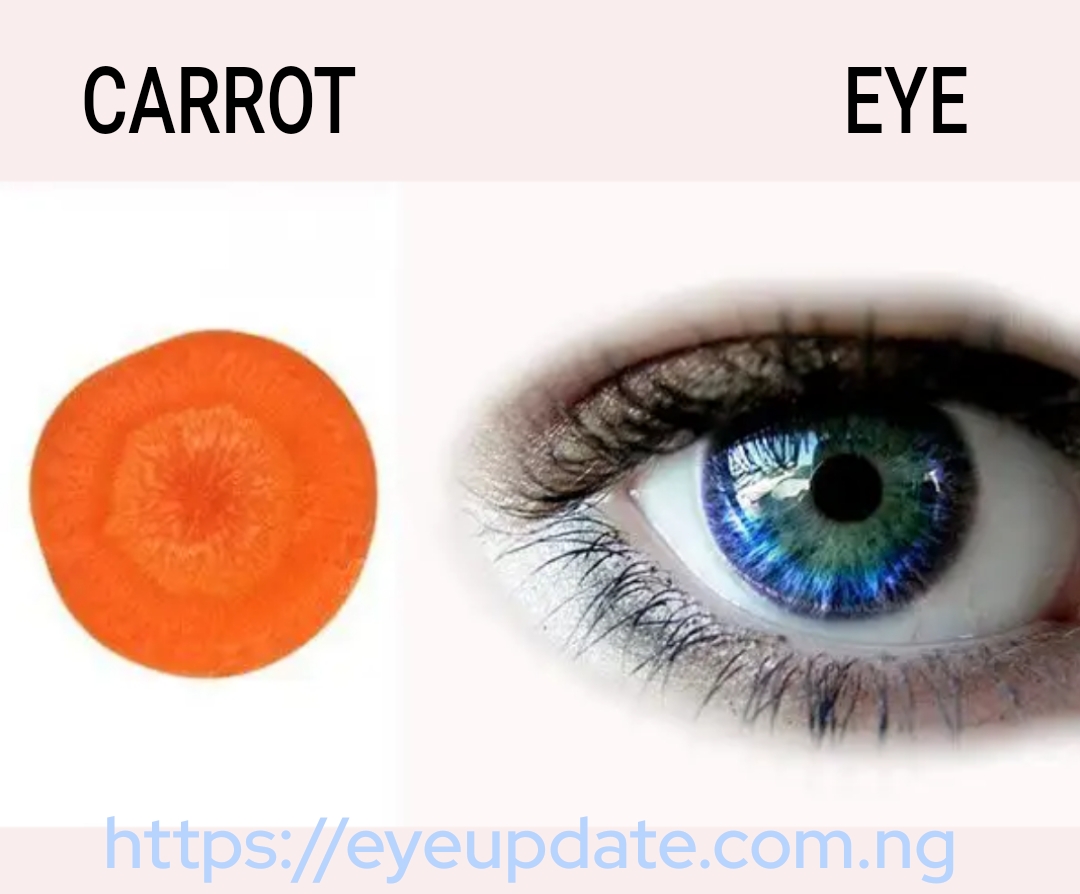
Carrots are renowned for their beta-carotene content, which the body converts into vitamin A. Vitamin A is essential for maintaining good eyesight, especially in low-light conditions. Regular intake of carrots can help prevent night blindness and support overall eye health.
2. Leafy Greens – Spinach and Kale
Dark leafy greens like spinach and kale are rich in lutein and zeaxanthin, powerful antioxidants that filter harmful light and protect the retina from oxidative damage. Eating these vegetables regularly can reduce the risk of age-related macular degeneration (AMD) and cataracts.
3. Fish – Omega-3 Fatty Acids for Eye Support
Fatty fish such as salmon, mackerel, and sardines are excellent sources of omega-3 fatty acids. These healthy fats are vital for retinal health, reducing dry eyes, and alleviating inflammation, which helps maintain clear and comfortable vision.
4. Eggs – Nutrients for Eye Health
Egg yolks contain lutein, zeaxanthin, and zinc, which support the health of your eyes and help prevent age-related eye diseases. Incorporating eggs into your diet is a simple way to boost vital nutrients for vision.
5. Citrus Fruits – Vitamin C for Eye Vessel Strength
Fruits like oranges, lemons, and grapefruits are rich in vitamin C, which helps strengthen blood vessels in the eyes and may slow the progression of cataracts and AMD.
6. Nuts and Seeds – Antioxidants for Eye Protection
Almonds, walnuts, chia seeds, and flaxseeds are packed with vitamin E and omega-3s. These nutrients protect your eyes from oxidative damage and support long-term eye health.
Visit EyeUpdate Clinic & Optical Services Ltd for Expert Eye Care
At EyeUpdate Clinic & Optical Services Ltd in Ajuwon, Ogun State, Nigeria, we emphasize that good nutrition combined with regular eye examinations is essential for maintaining optimal vision. Eating a colorful, nutrient-rich diet supports your eye health and helps prevent common eye conditions as you age.
Contact Us Today!
For professional eye assessments, personalized advice on eye health, and guidance on maintaining healthy vision through diet, visit us at:
EyeUpdate Clinic & Optical Services Ltd
Number 1, Ajuwon Bus Stop, near MRS Petrol Station, Ajuwon, Ogun State, Nigeria
Telephone: 08034971582, 08068084591
Your eyes are precious—protect them with the right foods and regular eye care. Schedule your appointment today!
SEO Keywords:
Best foods for eye health in Ogun State
Eye care tips Nigeria
EyeUpdate Clinic Ajuwon eye health
Nutrition for healthy vision Nigeria
Protect your eyesight in Ajuwon